

Local AI models are a topic I’ve had on my list since March, but never had time to properly pick it up. Now that Palantir’s Alex Karp reignited the discussion, it’s a good moment to explore it more.
If we could move at least some of the AI workloads to local machines, the consequences would be huge. It could trigger a shift from the current oligopoly to a much more diversified AI supply. It could solve the “AI sovereignty” conundrum. And, of course, it would mean a rethink of the huge data center expansion that is stressing our power grids.
Before we dig deeper, a quick celebration: Poland’s first offshore wind farm is live! It’s a huge moment for Poland
Local LLMs: how good are they?
Local LLMs are becoming better every day. You can now run them on your laptop and get many things done without paying for Claude and sending your data into the cloud. Yes, if you’re designing a quantum computer, you might need the full capabilities of the largest models like Fable/Mythos/Sol. But if you’re just trying to manage your emails, calendars, do quick research or data analysis or singular coding tasks, you can definitely get away with a simpler model.
Of course, the results will depend on the application and the benchmark. One of the best local models: Qwen 3.6 27B, achieves comparable scores to Claude Sonnet 4.5. That was released in September 2025, which means the local alternative is almost a year behind.
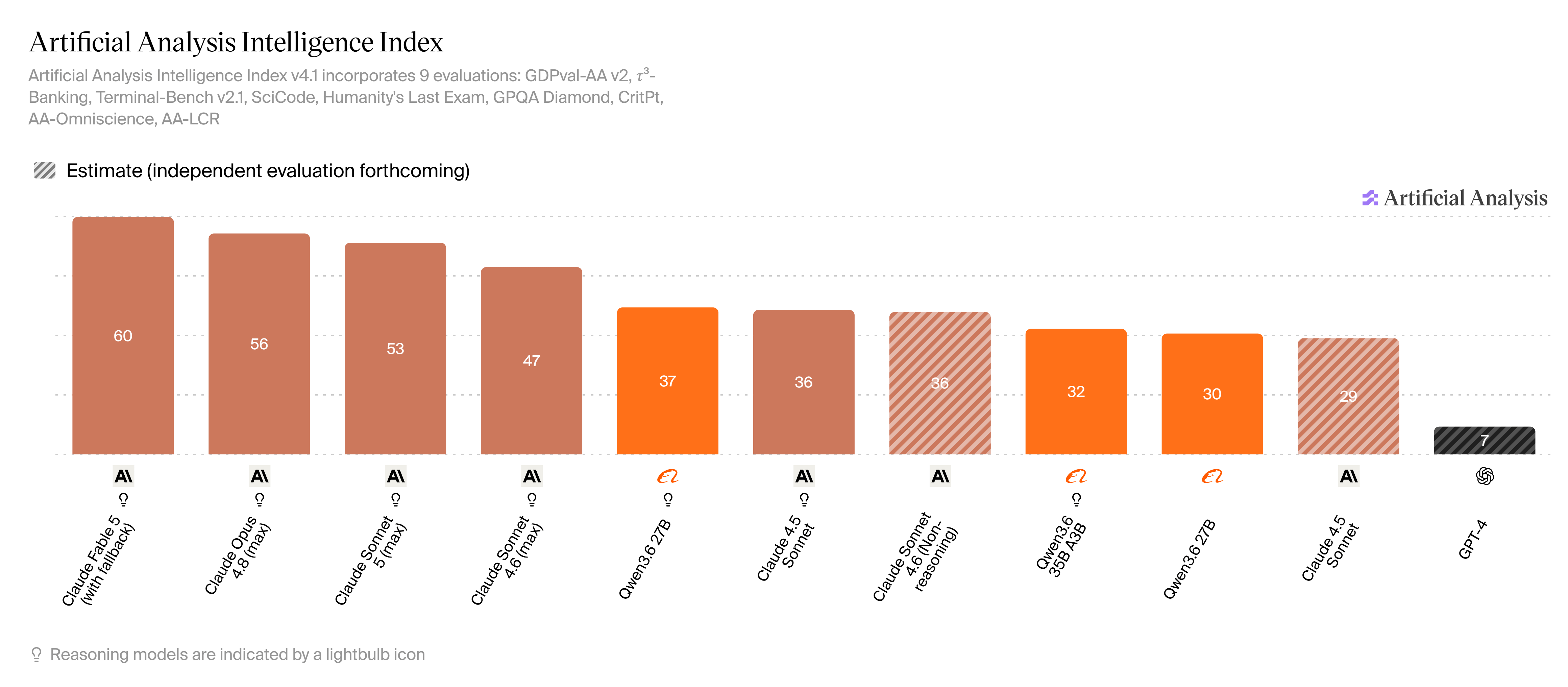
But I liked the Sonnet 4.5. Until just a few days ago (when Sonnet 5 was released), I used Sonnet 4.6 for like 70% of my needs. If open models keep up, by the end of the year I’ll have a local alternative to my daily driver.
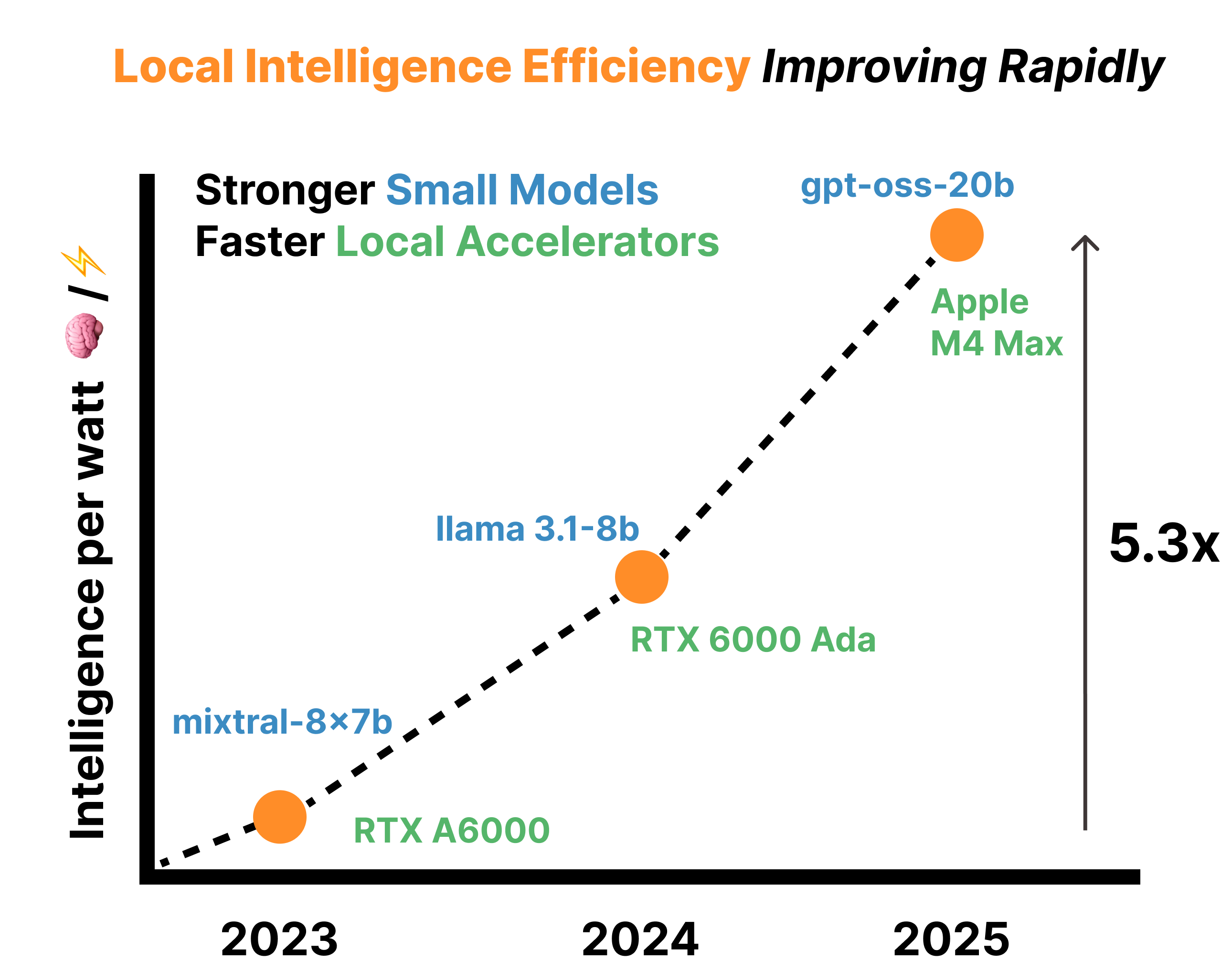
And it’s not just my opinion - there was a Stanford study last year, showing that local LLMs “can accurately answer 88.7% of single-turn chat and reasoning queries” and they are improving rapidly over time.
Here’s one additional thing to keep in mind: look at where GPT-4 sits on the first chart above. By many that was considered a revolutionary tool. Local LLMs are already lightyears ahead.
For privacy, they are hard to beat too. You can run as many queries as you like without constantly worrying about token usage.
It’s not all roses though. You do need proper hardware - costing $3000-5000. The response times might be higher. Hallucinations more frequent. It’s a bit of a fuss to set up. Context windows are smaller. You’ll likely need a few stacked models to get the best quality on different tasks.
But to reiterate: like everything in AI, these local LLMs are improving at a pace that is hard to ignore.
A last minute update that proves the above point: just on Tuesday, PrismML released the 27-billion parameter model that runs on a smartphone: Bonsai 27B.
The missing piece: distributed AI training
There’s a missing piece of this local AI puzzle. AI training.
As of 2026, about 30% of global compute is used for AI training, 30% for AI inference, 40% for non-AI applications. Going forward, the share of inference is expected to grow, strengthening the case for local LLMs. Still, a distributed AI solution needs to address training too.
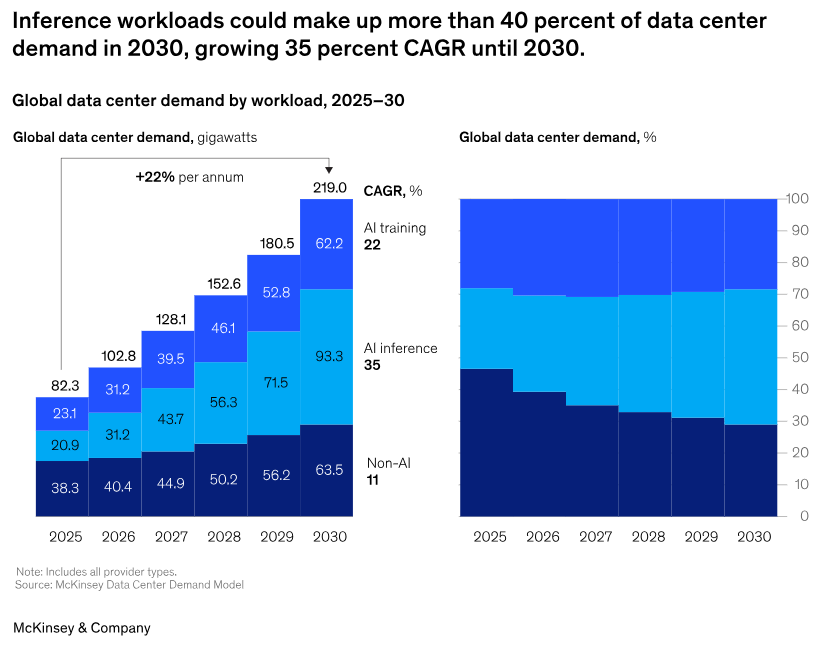
Can you pool thousands of scattered GPUs (basically people at home with some spare compute) over ordinary internet and train a model, instead of training it in a multi-gigawatt hyperscale facility that has massive grid and environmental impacts?

There’s a great piece by Epoch.ai discussing that. There are technical challenges, like the low bandwidth of internet connections compared to having all the GPUs in one place connected by optical fiber.
But there are solutions too. In March 2026, Bittensor’s Templar subnet trained Covenant-72B, a 72-billion-parameter model on ~1.1 trillion tokens across 70 peers over commodity internet. This model is not competitive today - it hits the benchmark scores of 2023 frontier models. But it’s a proof of concept that could be applied to the Qwen 3.6 27B model we discussed earlier, for a fully decentralized daily driver LLM.
Also, decentralized training compute is growing 20x a year - much faster than centralized compute (5x).
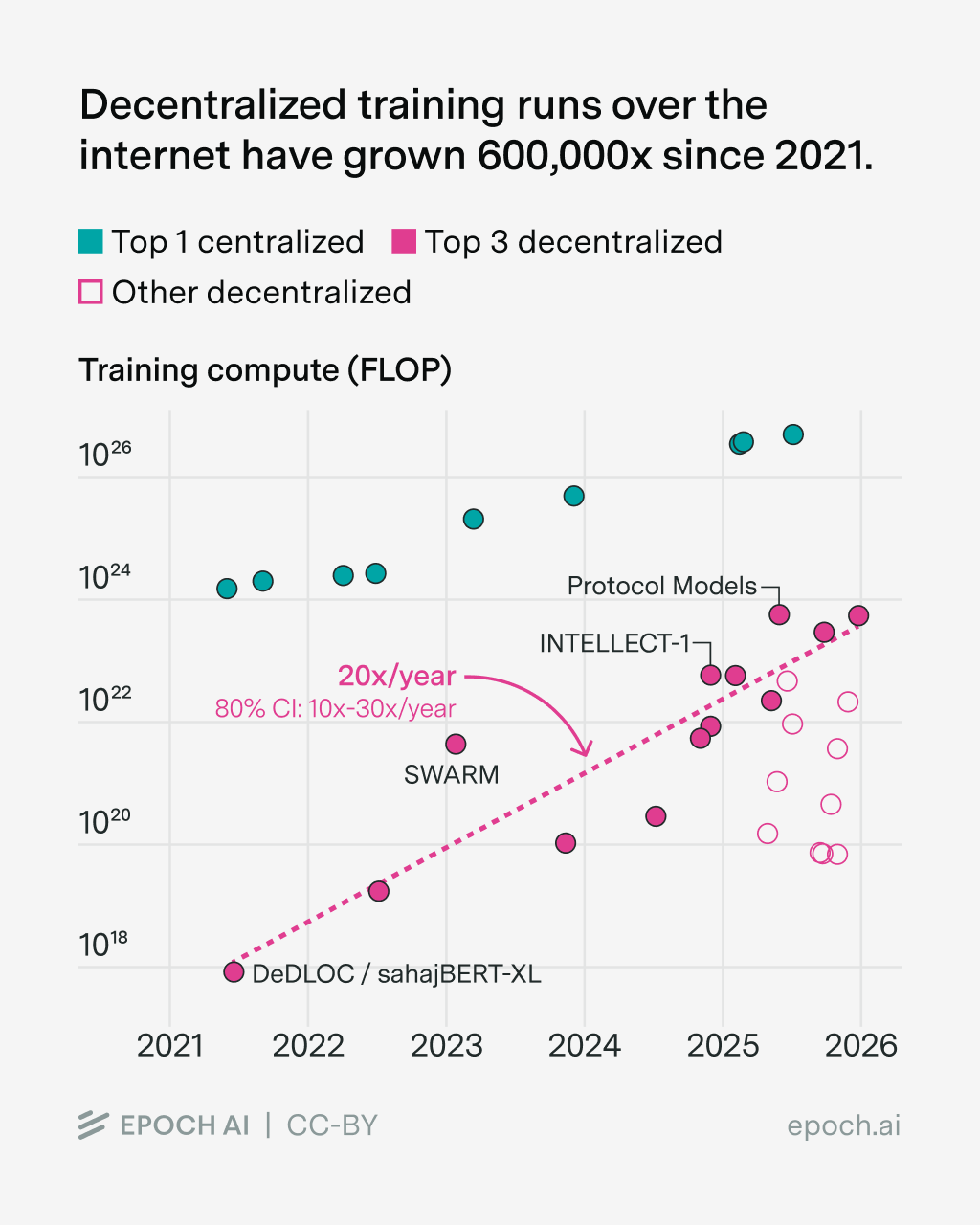
One can now imagine a world in which frontier models stay centralized, but the actual workhorse models - the Claude Sonnet class, can become more and more decentralized. And according to some recent Anthropic data, only 10% of chat and Cowork conversations are served by the most capable models, with the rest handled my lower-tier models like Sonnet.
Consequences for grids and power
While still a bit theoretical, I actually think it might disrupt things quite a bit.
We keep increasing AI power demand forecasts, and that’s impacting the way we plan power systems (plus blowing up grid connection queues).

What if a meaningful chunk of that demand moves from centralized data centers to local inference? Maybe not to households at first, but businesses are prime candidates, especially in Europe, where AI privacy is a major concern already. That would spread gigawatts of centralized demand across countries.
Also, could it change the flat power demand profile assumption?
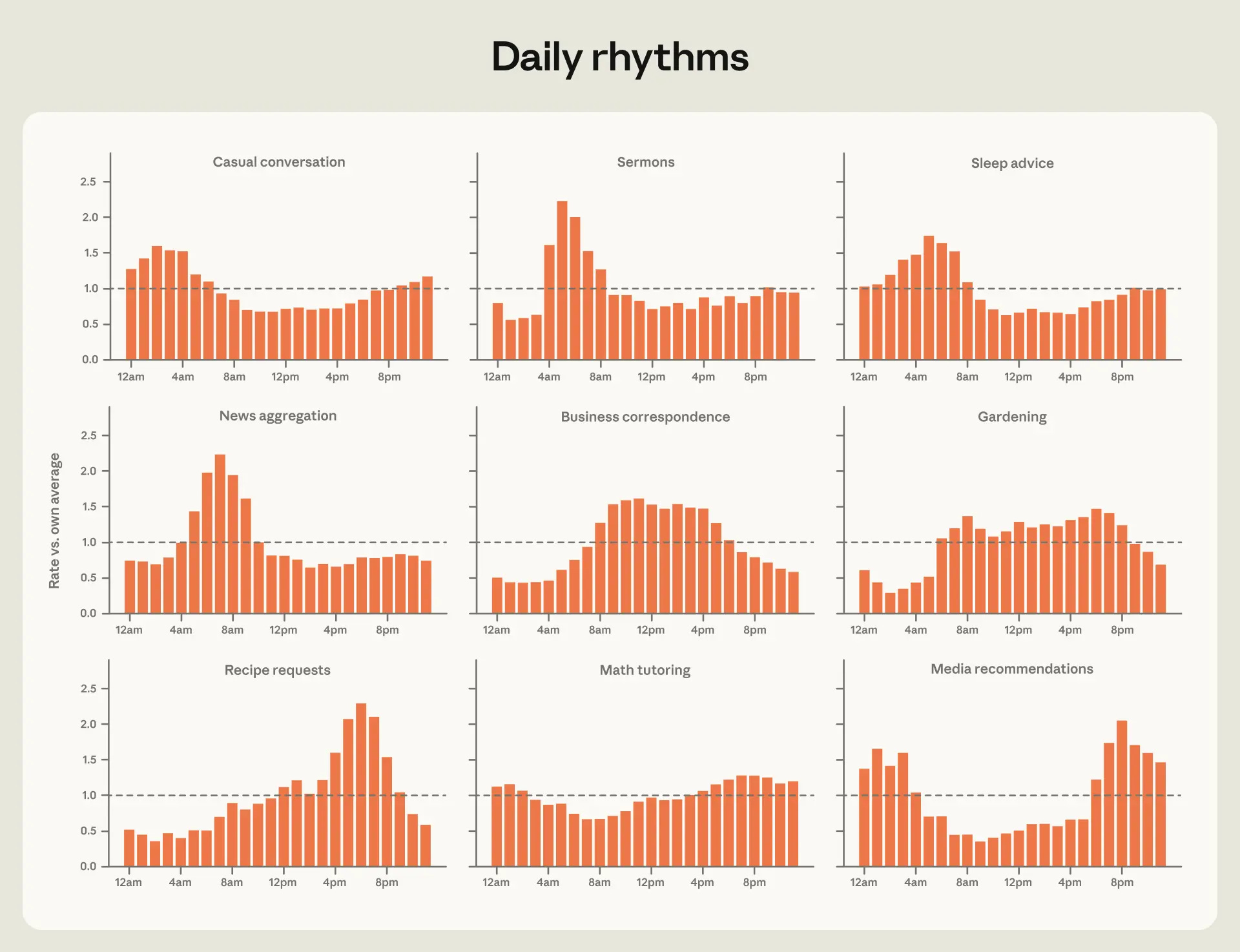
Those corporate LLMs would run mostly during working hours, matching solar generation. So here’s a simplistic alternative: a solar-powered local LLM vs a gas-powered cloud-based solution. The latter exposes you to the explosive combo of gas supply shocks, disruptive foreign policy moves (say US government cutting foreign access), and data breaches.
There’s a power trade-off though: local LLMs are way less energy efficient than centralized ones. Cloud queries use around 1.6 Wh of energy while local models on a dedicated workstation consume 5.9–10.3 Wh for the same work. Distributed AI might also be harder to coordinate and make flexible, although, like with centralized data centers, it mostly just needs proper incentives.
So there are pros and cons. Definitely many more topics to explore. Hope you found this as interesting as I did.
The 88.7% local-capable stat is the one worth sitting with. That's not a capability gap; it's an architecture gap. The energy cost per query is higher on consumer hardware today, but utilization matters: a GPU running on off-peak solar costs a fraction of what the same workload costs on a data center running at 40% utilization. Bittensor training across distributed peers is the piece worth watching. That's where the question shifts from "where does inference happen?" to "who does the learning accrue to?"